In every public school district, assets tell a story – not just of budgets and procurement, but of student opportunity, instructional quality, and operational integrity. While classroom technology often dominates fixed asset discussions, specialized equipment like science lab tools, musical instruments, and career technology equipment deserve equal attention.
Unfortunately, these high-impact, high-use items are often underrepresented or inconsistently tracked in district inventories. Whether tucked away in storage closets, rotated between classrooms, or simply forgotten, specialized equipment can easily slip through the cracks.
But including these assets in your fixed asset inventory audit isn’t just about achieving compliance – it’s about delivering educational equity, protecting your investments, and improving outcomes. Here’s how to ensure your next inventory audit gives specialized equipment the spotlight it deserves without disrupting instruction or losing track of what matters.
Step 1: Define the Scope: Don’t Overlook Specialized Categories
Before launching an audit, define exactly what you’re auditing and why. Most districts already plan to include high-dollar and serialized items like computers or projectors, but specialized equipment often goes unaccounted for simply because it isn’t labeled as a priority from the start.
Take time to consider:
- – Category types: Groups like science equipment, band instruments, robotics kits, shop tools, and medical training devices all apply.
- – All learning environments: Think beyond classrooms to include storage areas, performing arts spaces, CTE labs, and mobile carts.
- – Audit goals: Are you reconciling past records, checking asset conditions, preparing for grant compliance, or all of the above?
Expanding your audit scope at this stage can save hours of confusion down the road.

Step 2: Review and Clean Existing Records
Before you scan a single barcode, spend time reviewing your asset database. Our team often finds that specialized equipment is either lumped into vague categories (“misc. science supplies”) or missing entirely due to inconsistent tracking practices.
Look for red flags such as:
- – Duplicate entries for the same item
- – Outdated or vague descriptions (e.g., “toolkit” or “instrument” with no further details)
- – Missing serial numbers or asset tags
Cleaning this data upfront will not only streamline your physical inventory process, it will give you a clearer picture of what assets matter most and where your system needs improvement.
Step 3: Ensure Specialized Items Are Tagged and Tracked
Unlike tech items that may arrive tagged and ready for tracking, many specialized tools are acquired through grants, donations, or special projects, making them less likely to follow district-wide procurement procedures.
Here are some tagging strategies to utilize:
- – Use durable barcode tags in locations that won’t interfere with function but are easy to locate
- – Record identifying info: Make, model, serial number, and department use
- – For small or sensitive items, tag the container or storage cabinet
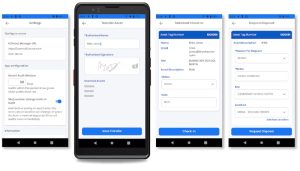
- – For items that move between buildings or classrooms, establish a check-in/check-out or transfer process
Ultimately, the goal is a consistent link between the physical object and its digital record, regardless of how it was purchased or where it’s used.
Step 4: Conduct a Thorough Physical Inventory
Once your prep work is complete, it’s time to visit the buildings and rooms where your assets are kept. Including specialized equipment adds complexity; but, with the right process, it won’t add chaos.
Inventory best practices:
- – Schedule smartly: Choose times when specialized spaces are less occupied, such as during prep periods, testing days, or in-service days.
- – Coordinate with staff: Teachers and aides know their equipment better than anyone. Give them a heads-up, and invite them to assist or stage equipment ahead of time, and even to provide a list of their equipment.
- – Record identifying details: Record each asset’s name, make, model, serial number, and any other accessible information. Take a photo where possible.
Step 5: Reconcile and Report Findings
Once your inventory walkthrough is complete, it’s time to match physical assets with records and resolve any mismatches. Specialized equipment can surface surprises – items you thought were lost, items never entered into the system, or even duplicate records from older systems.
Categories to report:
- – Verified items: Located and matched accurately
- – Found with errors: Items mislabeled, in a different location, or missing details
- – Not found: Items that should be present but weren’t located
- – New discoveries: Items present but never entered into the inventory system
Make sure to reconcile the most recent findings with existing asset databases, and make an attempt to locate any missing items.

Step 6: Build Habits That Keep Specialized Equipment Visible
A successful audit isn’t just a snapshot – it’s the beginning of a more accurate, transparent system. To maintain control over specialized assets long-term:
- – Tag all new purchases and update records as part of the onboarding process
- – Establish clear workflows for transferring assets between locations or programs
- – Schedule annual or bi-annual spot-checks for high-value and mobile items
- – Designate responsibility for asset tracking within departments (e.g., lab aides, music directors, CTE coordinators)
When specialized items are treated as part of the core asset inventory, rather than outliers, they’re far less likely to go missing or underutilized.
Why It Matters: Real Impact, Beyond Compliance
Including specialized equipment in your district’s fixed asset inventory helps you do more than check boxes. It supports:
- – Budget planning: Reduce unnecessary replacements and avoid redundant purchases
- – Equity and access: Ensure all students have consistent access to safe, functional, and up-to-date tools
- – Grant and funding compliance: Maintain eligibility and transparency for programs funded by ESSER, Title I, Perkins, and others
- – Disaster preparedness and insurance: Accurate records are essential when filing claims after damage, loss, or theft
- – Instructional excellence: Give educators the tools they need to deliver high-quality, hands-on learning
Ultimately, auditing and maintaining specialized equipment signals that your district values every resource, supports every learning path, and is committed to accountability at every level.