In K–12 public schools, the disconnect between departments can be a very persistent and costly challenge. Information Technology manages devices and infrastructure, Finance tracks depreciation and audits, and Facilities oversees buildings, furniture, and physical spaces. Each team plays a critical role in keeping schools running, yet they often operate in silos, using different systems, priorities, and definitions of asset accountability.
The result is incomplete records, time-consuming audits, compliance risk, and frustration across the organization. Data lives in multiple places, is updated inconsistently, and rarely reflects what is actually on campus at any given time.
There is a proven way to bring these teams together. A centralized approach to fixed asset management creates shared visibility and accountability across departments. When asset management is treated as common ground and supported by accurate inventory data, clear processes, and purpose-built software, IT, Finance, and Facilities can finally work from the same source of truth.
The Silo Problem in K–12 Asset Management
Public school districts manage tens of thousands of assets across multiple campuses. These include laptops, tablets, servers, classroom technology, furniture, vehicles, HVAC systems, and other equipment essential to daily operations. While all of these items qualify as assets, they are often tracked differently depending on which department is responsible for them.
IT teams focus on deployment, device lifecycle management, repairs, and refresh planning. Finance departments concentrate on capitalization thresholds, depreciation schedules, audit readiness, and compliance. Facilities teams manage physical locations, room assignments, maintenance planning, and long-term replacement strategies.
When each group maintains its own spreadsheets or disconnected systems, asset data quickly becomes outdated or inconsistent. During audits, inventory reviews, or leadership inquiries, staff must reconcile conflicting records, consuming time and increasing risk.
Why Fixed Asset Management Is the Natural Bridge
Fixed asset management sits at the intersection of IT, Finance, and Facilities. At its core, it answers the same fundamental questions every department asks: what assets does the district own, where are they located, who is responsible for them, and what is their current condition and value.
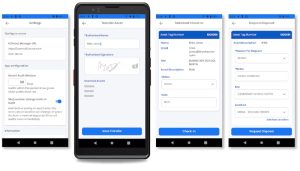
A centralized asset management program supported by onsite inventory services and asset management software establishes a single, authoritative record for every asset in the district. This shared foundation enables departments to collaborate instead of working in parallel.

How Centralized Asset Management Supports IT Departments
For IT teams, asset management is about control, efficiency, and proactive planning. With a centralized system, technology leaders can track devices by serial number, model, assigned user, and location. They can monitor lifecycle stages from acquisition to disposal and plan refresh cycles based on accurate age and condition data rather than estimates.
Having reliable asset data also helps reduce loss and improve accountability. When devices are missing, reassigned, or retired, updates are reflected in one system instead of multiple disconnected lists. IT teams can respond more quickly to audits, security reviews, and support requests because the information they need is readily available and trustworthy.
How Fixed Asset Management Strengthens Finance Operations
Finance departments carry significant responsibility for fixed asset reporting and compliance in public school districts. They must ensure that asset records align with state and federal requirements while remaining audit-ready at all times.
A centralized asset management system allows Finance teams to maintain accurate capitalization and depreciation records tied directly to verified inventory data. Instead of reconciling spreadsheets from multiple departments, Finance can rely on a single system that reflects what is physically in the district. Audit preparation becomes faster and less stressful, and internal controls are easier to demonstrate.
Over time, this level of accuracy reduces risk, supports transparency, and builds confidence with auditors, regulators, and district leadership.
How Facilities Teams Gain Visibility and Planning Power
Facilities departments manage some of the most valuable and long-lived assets in a school district, yet these assets are often the hardest to track. Furniture, equipment, and infrastructure frequently move between rooms and campuses, especially during renovations or enrollment changes.
Centralized asset management allows Facilities teams to track assets by building, room, and campus while capturing condition information that supports maintenance and replacement planning. With accurate data, Facilities leaders can make informed decisions about capital improvements, avoid unexpected shortages, and coordinate more effectively with IT and Finance during moves or upgrades.
Sharing the same asset records eliminates confusion and ensures everyone has a consistent understanding of what exists and where it is located.

Asset Management as a Single Source of Truth
Effective asset management starts with accurate data. Many school districts discover that their existing asset records are incomplete, inconsistent, or outdated. Without a reliable baseline, even the best software cannot deliver meaningful results.
Districts should address this challenge by physically verifying assets across all campuses during an annual inventory audit. During an inventory, staff or inventory specialists confirm which assets actually exist, apply durable asset tags or barcodes, and capture essential details such as location, serial numbers, and condition. This process establishes a clean, trustworthy foundation for ongoing asset management and eliminates guesswork from day one.
Once inventory data is collected, asset management software becomes the system that keeps departments aligned over time. A solution designed for K–12 public schools supports both technology and non-technology assets while allowing role-based access for different teams.
With all departments working in the same system, updates happen in real time and reports draw from one consistent data set. IT, Finance, and Facilities no longer maintain separate records or dispute whose data is correct. Instead, asset management becomes a shared responsibility supported by a single source of truth.
Asset Management as Common Ground
One of the most valuable outcomes of centralized asset management is improved collaboration. When departments share accurate asset data, conversations shift from correcting errors to solving problems. Budget discussions become more informed, planning cycles become more strategic, and leadership gains clearer insight into how district resources are being used.
Asset management evolves from a reactive, compliance-driven task into a proactive, strategic function that supports district goals.
Bridging the gap between IT, Finance, and Facilities does not require a complete operational overhaul. It starts by recognizing that assets connect every department and managing them accordingly.
By combining onsite inventory services with asset management software designed for K–12 public schools, districts can build a shared foundation that supports collaboration, accountability, and smarter decision-making. Fixed asset management becomes the common ground that brings departments together and strengthens the district as a whole.